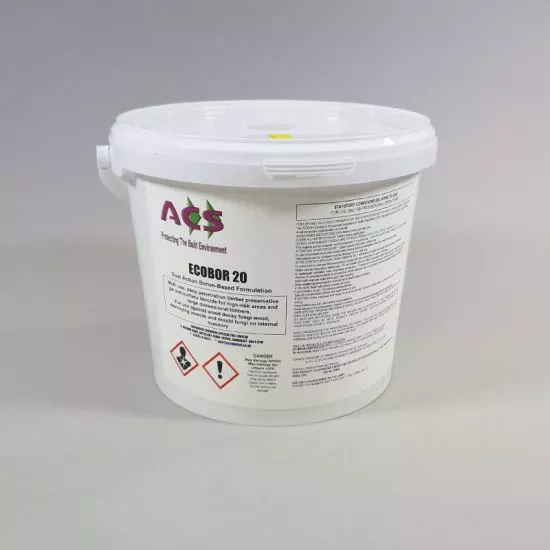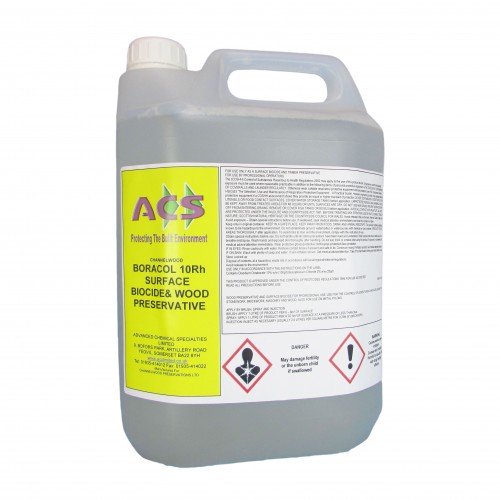
Professional wood preservative for suitable timber protection against wood-boring insects and decay fungi.
- 5 litre ready-to-use product
- Boron-based preservative formulation
- For suitable timber treatment
- Useful in remedial wood protection
We are currently experiencing delays on some Snickers, Mascot and Carhartt stock due to current worldwide shipping delays.
Shop professional timber treatments for woodworm, wet rot, dry rot and fungal decay, alongside specialist wood preservatives and masonry treatment products.
Discover trusted products from Boracol, Ecobor, Woodzone and Trisol for suitable building renovation, property maintenance and remedial timber projects.
Professional Timber Treatment Range
Wood preservatives, insecticides
and fungal treatment products
Browse our selection of professional timber preservatives, woodworm treatments and specialist masonry products. Choose the appropriate treatment for the material and diagnosed problem.
Specialist gel and liquid treatments for suitable timber preservation and fungal decay applications.
Professional wood preservative for suitable timber protection against wood-boring insects and decay fungi.
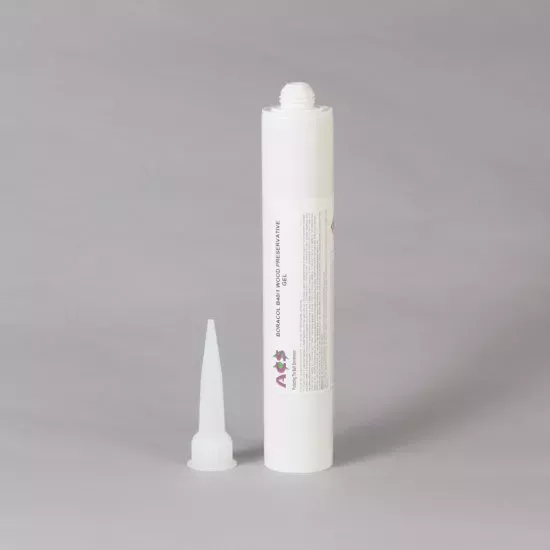
Concentrated, ready-to-use preservative gel for suitable localised timber applications and vulnerable timber ends.
Brushable and injectable boron-based timber preservative gel for vulnerable structural timber areas.
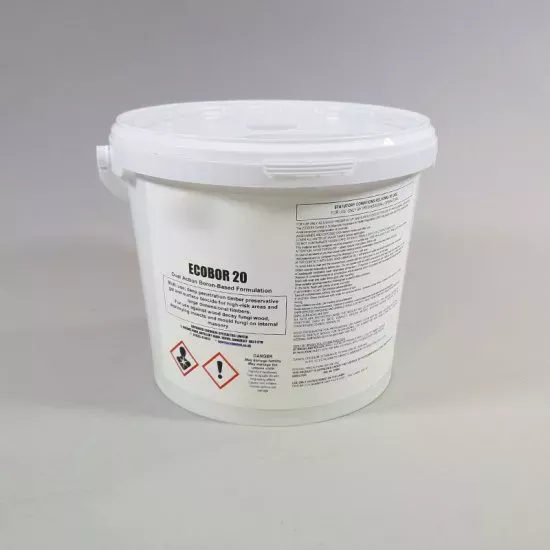
Second Ecobor 20 product listing with a separate product URL and catalogue price. Check the pack specification before ordering.
Specialist treatments for wood-boring insects and combined fungal and insect applications.
Super-concentrated timber treatment formulated for suitable protection against wood-boring insects and wood-destroying fungi.
Concentrated insecticidal treatment formulated for suitable wood-boring insect control in timber.
Complementary products for treating suitable masonry affected by fungal contamination or salts. These are not interchangeable with timber preservatives.
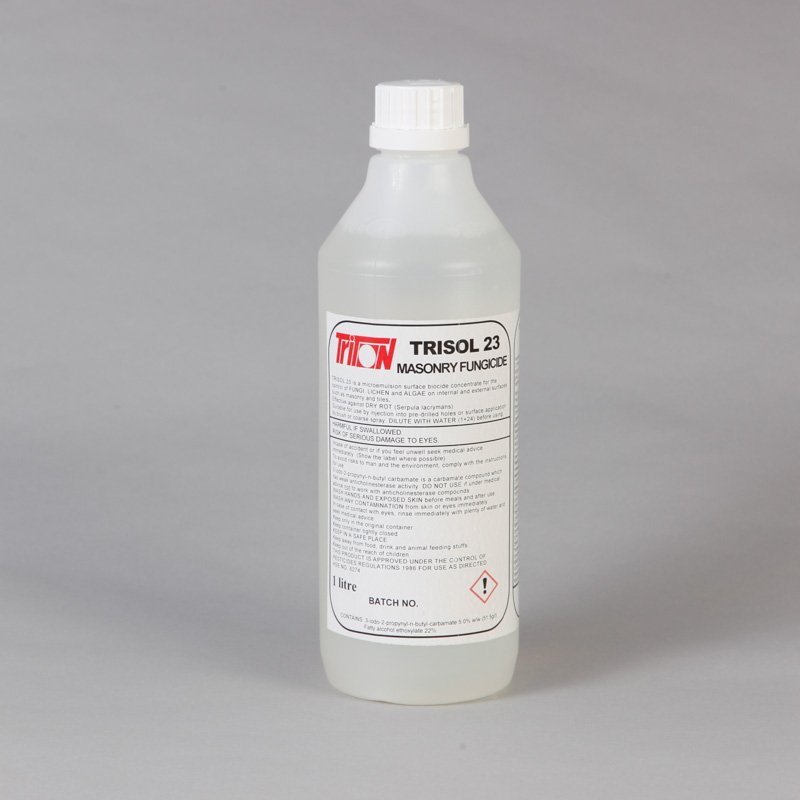
Specialist product for suitable masonry treatment as part of a correctly specified dry rot remediation programme.
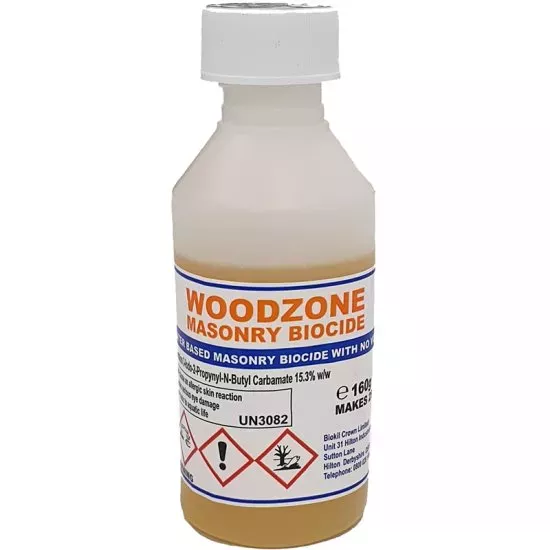
Specialist masonry biocide concentrate formulated for suitable fungal treatment applications in masonry.
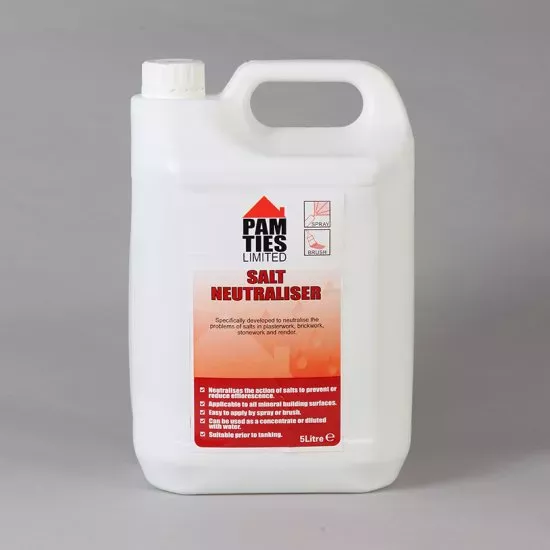
Specialist masonry treatment for appropriate salt-related remedial work before applying compatible finishing systems.
Prices are taken from the supplied PAM Ties product document. Check current stock, VAT status, product specifications and application restrictions on individual product pages.
Different timber problems require different remedial approaches. Correct diagnosis is the first step towards selecting a suitable treatment.
Woodworm refers to damage caused by the larvae of certain wood-boring insects. Small exit holes, frass and timber damage may be signs of current or historic infestation. Confirm active infestation before selecting insecticide.
Wet rot develops where timber remains sufficiently damp for decay fungi to grow. Identifying and correcting the source of moisture is essential. Severely decayed structural timber may require repair or replacement.
Dry rot is a form of fungal timber decay associated with damp conditions. Remediation requires moisture control, assessment of affected timber and surrounding materials, and appropriately specified treatment where needed.
If wood-boring insects are the primary concern, choose a timber insecticide specifically authorised for the identified pest and intended application.
For situations involving both insects and decay fungi, a suitably approved dual-purpose timber treatment may be appropriate.
Products such as Boracol and Ecobor provide alternative preservative formulations, including gel-based options for certain localised or difficult-to-reach areas.
Where fungal contamination has affected masonry, specialist masonry products may be considered as part of a remedial specification.
Salt neutraliser serves a different purpose and should not be confused with fungicides or woodworm treatments.
Woodworm damage can remain visible for many years after an infestation has ended, so the presence of small holes alone does not necessarily mean treatment is currently required.
Signs that may indicate ongoing insect activity include fresh frass, recently formed exit holes and live insects.
The insect species, timber moisture content, wood type and extent of damage all influence the appropriate course of action.
Where an active infestation is confirmed, a suitable insecticide may form part of the treatment programme.
Significant damage to joists, rafters or other structural timbers should be assessed by a competent professional.
Dry rot and wet rot are associated with conditions that allow decay fungi to develop in timber.
Common sources of moisture include leaking pipes, roof defects, defective rainwater goods, poor drainage and inadequate ventilation.
A timber preservative does not replace essential repairs to the building or structural timber.
Effective remediation may involve drying the affected area, correcting the moisture source, removing timber that has lost structural integrity and treating appropriate materials where specified.
For suspected dry rot, professional assessment is especially important because the extent of concealed damage may not be immediately apparent.
Compare all nine listed products, including wood preservatives, insecticides and complementary masonry treatments.
| Product | Product Type | Price | Shop |
|---|---|---|---|
| Boracol 10 – 5 Litre | Wood Preservative | £39.98 | Buy Now → |
| Boracol Gel 400ml | Preservative Gel | £22.68 | Buy Now → |
| Ecobor 20 | Timber Preservative | £64.80 | Buy Now → |
| Ecobor 20 – Additional Listing | Timber Preservative | £77.76 | Buy Now → |
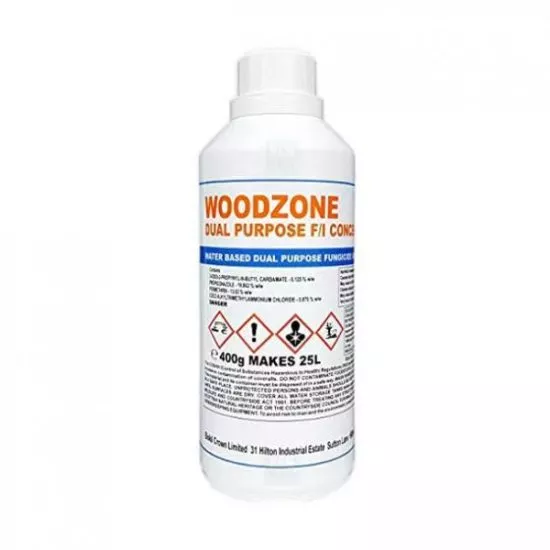
| Woodzone Dual Purpose F/I | Fungicide / Insecticide | £29.99 | Buy Now → |
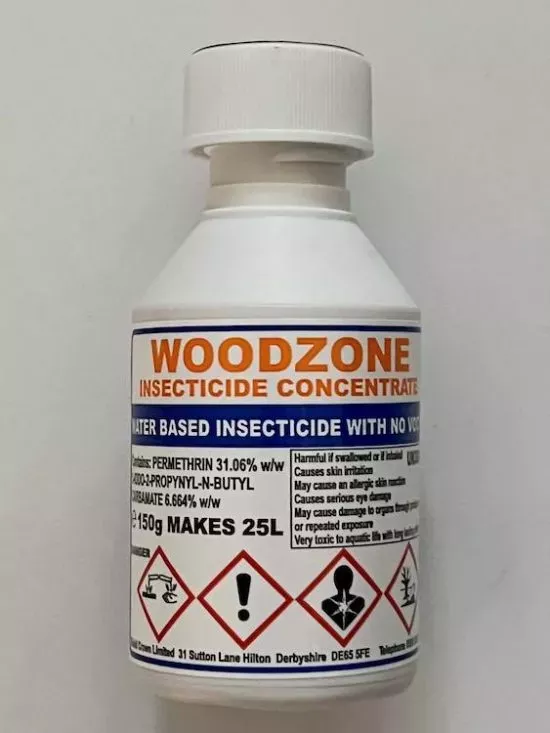
| Woodzone Insecticide | Woodworm Insecticide | £25.99 | Buy Now → |
| Trisol 23 | Masonry Dry Rot Treatment | £21.54 | View Product → |
| Woodzone Masonry Biocide | Masonry Fungicide | £21.53 | Buy Now → |
| Salt Neutraliser – 5 Litre | Masonry Salt Treatment | £32.99 | Buy Now → |
Proper diagnosis, preparation and adherence to product instructions are essential for responsible timber treatment.
Determine whether the issue is wood-boring insects, fungal decay or another timber defect. Investigate dampness and check the condition of vulnerable structural elements.
Select a product authorised for the intended use and follow the manufacturer's requirements for dilution, preparation, substrate suitability and application.
Apply only as directed on the current product label, using the specified protective measures. Complete necessary building repairs and monitor the treated area afterwards.
Timber preservative products may be specified for a variety of wood elements within residential and commercial buildings.
Common applications can include vulnerable joist ends, roof timbers, wall plates, joinery and exposed cut ends.
The correct choice depends on timber condition, environmental exposure, existing coatings and the product's authorised uses.
Some formulations are designed for brush application, while specialist gels may also support injection into suitable predrilled locations.
Never assume a preservative is suitable for every internal or external application without checking its label.
Common questions about woodworm, timber preservatives, dry rot, wet rot and specialist masonry products.
Timber treatment refers to the use of appropriate preservative or remedial products to protect timber against specific organisms, including wood-boring insects and decay fungi, where treatment is necessary and authorised.
The appropriate treatment depends on whether an active infestation is present, the insect species, timber condition and location. Woodzone Insecticide is one option in this range for specified wood-boring insect treatment applications.
No. Historic exit holes do not necessarily indicate an active infestation. Proper identification and assessment are important before applying chemicals.
Both are types of fungal timber decay associated with moisture. They differ in the organisms involved and their behaviour. Correct identification is important because the remedial approach may vary.
No. A timber preservative cannot restore the structural strength of wood that has already decayed. Unsound timber may need repair or replacement, and the moisture source must be corrected.
Woodzone Dual Purpose F/I is a concentrated timber treatment formulated for suitable control of wood-boring insects and wood-destroying fungi. Check the product label for authorised uses and application requirements.
Boracol 10 is a professional wood preservative designed for specified protection against wood-destroying organisms. It should be applied only to suitable materials in accordance with its product instructions.
Boracol Gel is a ready-to-use preservative formulation suited to certain localised timber treatments, including applications specified for vulnerable timber ends and predrilled holes.
Ecobor 20 is a brushable and injectable boron-based preservative gel designed for specified timber treatment uses, including vulnerable structural areas.
PAM Ties has two separate Ecobor 20 product listings with different catalogue prices. Check the pack size, contents and current specification on each individual product page before choosing.
Not all timber preservatives are intended for masonry. Where masonry treatment forms part of a dry rot remedial specification, choose a product specifically approved for that purpose.
Woodzone Masonry Biocide is a specialist concentrate intended for approved fungicidal applications on masonry and related substrates. Follow the label's directions and safety requirements.
Masonry salt neutralisers are used in suitable remedial situations involving salts in masonry. They are not substitutes for fungicides, insecticides or repairs to the underlying source of dampness.
Some products may be suitable for competent non-professional application where the product is authorised for that use. Always check the label, protective equipment requirements and any restrictions. Structural damage or extensive rot warrants professional advice.
Safety depends on the particular formulation and application method. Follow the product label for access restrictions, ventilation, handling, drying and re-entry. Keep children and pets away from treatment areas as instructed.
Where timber decay is linked to excess moisture, identifying and correcting the underlying damp problem is a fundamental part of remediation. Chemical treatment alone does not remove water ingress.
Timber deterioration and moisture problems sometimes require additional remedial products. Explore related PAM Ties ranges.
Shop timber preservatives, woodworm insecticides, dry and wet rot treatment products and specialist masonry solutions. Compare product types, applications and prices to find the appropriate materials for your project.
SHOP TIMBER TREATMENTS →On All Orders Above £150 Inc VAT (excludes NI and Ireland) - see delivery page for details.
30 Days Money Back Guarantee
Just Call Us Or Email
PayPal / MasterCard / Visa