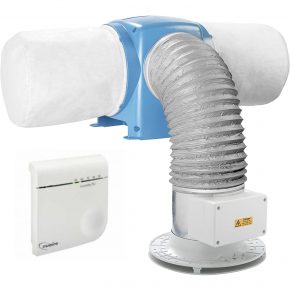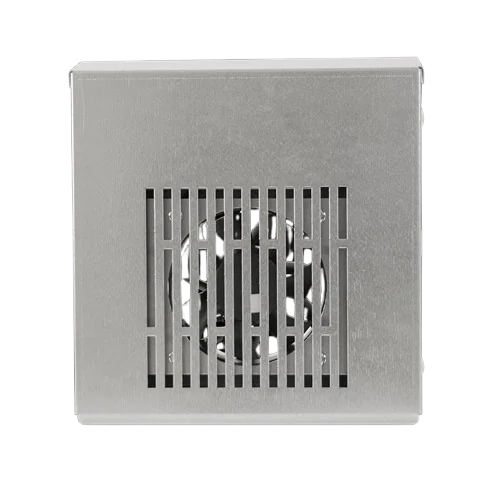
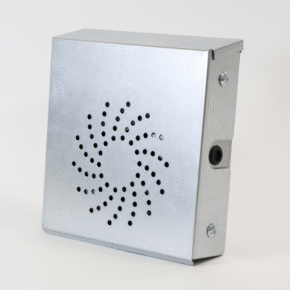
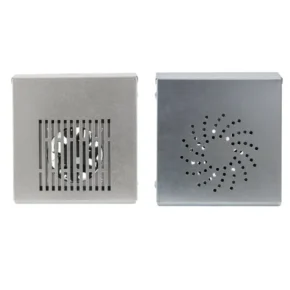

Sub Floor Ventilation Fan – Elta MORI WMF100 Supply – Pushes AIR IN (Mains Powered)
Low-Energy Weatherproof Subfloor Ventilation Fan for Damp, Humidity and Condensation Control
The Elta MORI WMF100 Sub Floor Supply Fan is a low-energy, mains-powered ventilation solution designed to improve airflow beneath suspended timber floors by actively pushing fresh external air INTO the subfloor void.
Unlike passive air bricks, which rely on natural airflow, the Elta MORI WMF100 provides continuous mechanical ventilation to help reduce excessive humidity, condensation and stagnant air in difficult-to-ventilate underfloor spaces.
Poor subfloor ventilation can result in moisture accumulation, musty odours and conditions that encourage mould growth and timber deterioration. By introducing fresh air beneath the property, the WMF100 Supply Fan helps improve air circulation and create a better-ventilated environment.
Featuring an energy-efficient motor, adjustable low-running and boost speeds, and weatherproof construction, the Elta MORI WMF100 is suitable for a range of residential and refurbishment applications.
For a more complete ventilation solution, the WMF100 Supply Fan can be paired with the matching Elta MORI WMF100 Extract Fan, which pulls stale, humid air out of the subfloor space.
Key Features & Benefits
- Pushes Fresh Air INTO the Subfloor Void – Mechanically introduces outside air beneath suspended timber floors.
- Helps Control Excess Humidity – Supports continuous air movement to help manage moisture accumulation.
- Reduces Conditions That Encourage Condensation – Improved ventilation can make subfloor spaces less prone to stagnant, humid air.
- Helps Protect Suspended Timber Floors – Can help reduce the persistent moisture conditions associated with fungal growth and timber rot.
- Low-Energy Continuous Operation – Efficient fan and motor assembly, with typical electricity running costs quoted at under £9 per year under the specified operating assumptions.
- Adjustable Low-Speed and Boost Settings – Allows ventilation performance to be adapted to the installation.
- Weatherproof Construction – Designed for suitable external-facing subfloor ventilation applications.
- Compatible with the WMF100 Extract Fan – Can form part of a coordinated supply-and-extract ventilation system.
How Does the Elta MORI WMF100 Supply Fan Work?
The Elta MORI WMF100 Supply Fan draws fresh air from outside the building and pushes it into the subfloor void.
In properties with suspended timber floors, ventilation is normally provided through air bricks positioned around the external walls.
However, these openings can become blocked, poorly positioned or insufficient to provide effective cross-ventilation.
When air movement is restricted, humidity can increase beneath the floor and moisture may accumulate.
The WMF100 Supply Fan provides mechanical assistance by introducing a continuous supply of replacement air.
As external air enters the subfloor space, existing air is encouraged to move towards suitable ventilation outlets.
This process helps improve airflow and reduce stagnant air in areas where natural ventilation may be inadequate.
For effective operation, the subfloor void must have suitable openings through which the introduced air can escape.
Ideal Applications
The Elta MORI WMF100 Supply Fan is suitable for consideration in:
- Houses with suspended timber floors
- Older properties with poor subfloor ventilation
- Buildings with restricted or inadequate air bricks
- Subfloor voids experiencing high humidity
- Properties with musty odours originating beneath floors
- Renovation and refurbishment projects
- Enclosed or difficult-to-ventilate subfloor spaces
- Properties requiring continuous mechanical underfloor airflow
- Supply-and-extract ventilation systems
- Suitable professionally designed subfloor moisture-management installations
Why Is Subfloor Ventilation Important?
Suspended timber floors require adequate ventilation to help manage moisture beneath the building.
When the subfloor space has insufficient airflow, humid air can become trapped and condensation may develop on colder surfaces.
Persistent moisture can contribute to:
- Timber deterioration and decay
- Wet rot and fungal growth
- Musty odours
- Condensation beneath floorboards
- Moisture damage to building materials
- Excessively humid subfloor conditions
The Elta MORI WMF100 Supply Fan helps by introducing fresh external air into the void and encouraging air exchange.
Where ventilation is correctly designed, this can help manage excess humidity and make conditions less favourable for moisture-related problems.
However, mechanical ventilation will not repair leaking pipes, standing water, defective drainage or other underlying causes of damp.
Supply Fan vs Extract Fan – What’s the Difference?
There are two complementary Elta MORI WMF100 fan configurations.
WMF100 Supply Fan – Pushes AIR IN
The Supply model actively introduces fresh external air into the subfloor void.
It is designed to provide replacement air and encourage airflow beneath the property.
WMF100 Extract Fan – Pulls AIR OUT
The Extract model removes stale, moisture-laden air from beneath the property and discharges it outdoors.
Using Both Fans Together
The Supply and Extract fans can be paired to create a coordinated mechanical ventilation arrangement.
The Supply Fan introduces fresh air at one point, while the Extract Fan removes existing air at another.
When correctly positioned, this helps establish a more controlled airflow route through the subfloor space.
This combination may be particularly useful in long, divided or poorly ventilated floor voids.
Benefits of Mechanical Subfloor Ventilation
Traditional air bricks rely on wind conditions and natural pressure differences to provide ventilation.
Although passive ventilation is sufficient in many properties, some subfloor spaces require additional mechanical airflow.
The Elta MORI WMF100 Supply Fan offers several potential advantages:
- Continuous mechanical air supply
- Controlled ventilation at adjustable speeds
- Reduced reliance on favourable wind conditions
- Improved airflow opportunities in restricted subfloor spaces
- Low-energy operation
- Compatibility with a dedicated Extract Fan
- Suitable for a range of refurbishment projects
Correct installation and positioning remain essential to achieving effective airflow.
Installation Considerations
Before installing the Elta MORI WMF100 Supply Fan, assess the existing ventilation openings and the condition of the subfloor void.
1. Check Existing Air Bricks
Ensure that ventilation openings are clear and identify any areas where airflow may be restricted.
2. Plan the Airflow Direction
The Supply Fan should introduce air into the subfloor void through a suitable opening.
There must also be appropriate outlet routes to allow air to move through the space.
3. Consider Internal Obstructions
Sleeper walls, restricted passages and compartmentalised subfloor areas can influence how air circulates.
4. Investigate Moisture Problems
Identify and address leaks, standing water, groundwater ingress and other potential sources of excessive moisture.
5. Install the Mains Electrical Supply Safely
The Elta MORI WMF100 is a mains-powered fan and must be installed in accordance with the manufacturer’s instructions and applicable electrical regulations.
6. Consider Adding an Extract Fan
Where a coordinated supply-and-extract arrangement is appropriate, the matching Elta MORI WMF100 Extract Fan can be installed at a suitable location.
7. Check Ventilation Performance
Once installed, confirm that the fan operates in the correct direction and that air can circulate through the intended subfloor area.
Low Running Costs and Energy Efficiency
The Elta MORI WMF100 Supply Fan incorporates a low-energy fan and motor assembly designed for continuous ventilation.
The supplied product information quotes typical electrical running costs of under £9 per year under its specified low-speed operating assumptions.
The fan features adjustable low-running and boost settings, allowing ventilation performance to be adapted to different installations.
Actual running costs depend on operating speed, electricity tariffs and hours of use.
Can the WMF100 Supply Fan Help With Radon?
Radon is a naturally occurring radioactive gas that can enter buildings from the ground.
Mechanical subfloor ventilation may form part of a radon mitigation strategy in suitable properties.
However, supply ventilation and extract ventilation create different airflow and pressure conditions.
The correct approach depends on the building construction and measured radon levels.
The Elta MORI WMF100 Supply Fan should not be relied upon as a guaranteed standalone radon solution.
Where radon is a concern, specialist system design and appropriate testing are recommended.
Frequently Asked Questions
Does the Elta MORI WMF100 Supply Fan push air in or pull air out?
The Supply Fan pushes fresh external air INTO the subfloor void. The separate WMF100 Extract Fan